By Akbar Amirzadeh Irani — Researcher, Human Rights Activist and Political Analyst on Middle Eastern Affairs
There is no single “Middle Eastern childhood.”
A child in Tehran, Kabul, Sana’a or Damascus lives under a different government, a different legal system and a different immediate danger.
But one pattern appears again and again: decisions made at the top of political systems descend directly into the smallest spaces of a child’s life.
A cabinet decision becomes an empty classroom.
A military order becomes a missing limb.
A security directive becomes a prison visit.
An immigration campaign becomes a teenager standing at a border with everything she owns in a bag.
Consider Afghanistan.
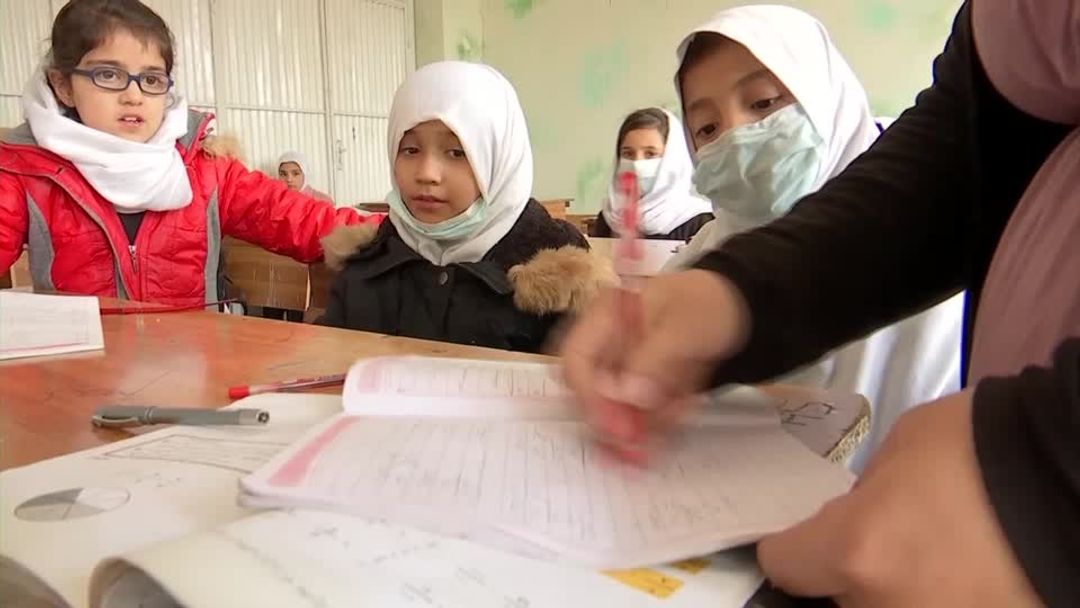
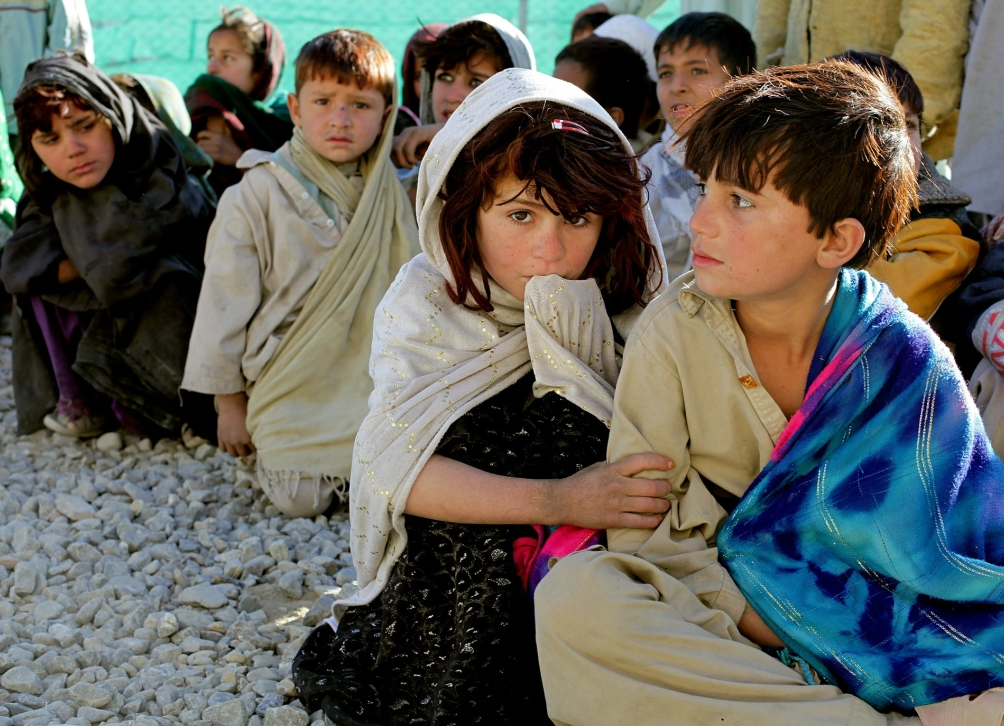
The Taliban’s exclusion of girls from secondary school is one of the clearest examples of state power entering childhood. More than 2.6 million girls have been denied secondary education since 2021, according to UNICEF. UNICEF
There is nothing abstract about that number.
Each girl loses years that cannot be returned to her.
In Iran, the pattern takes another form.
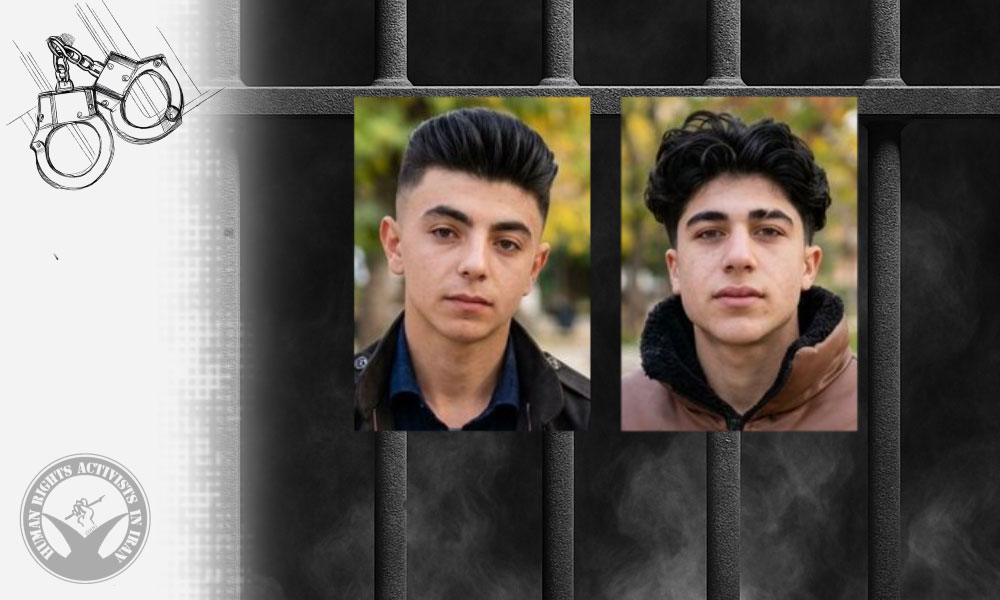
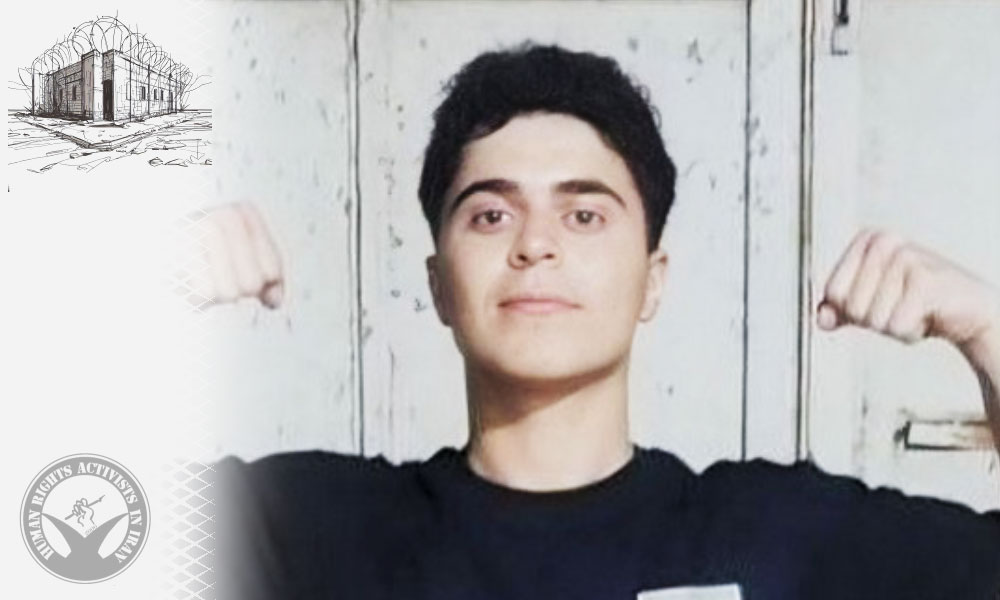
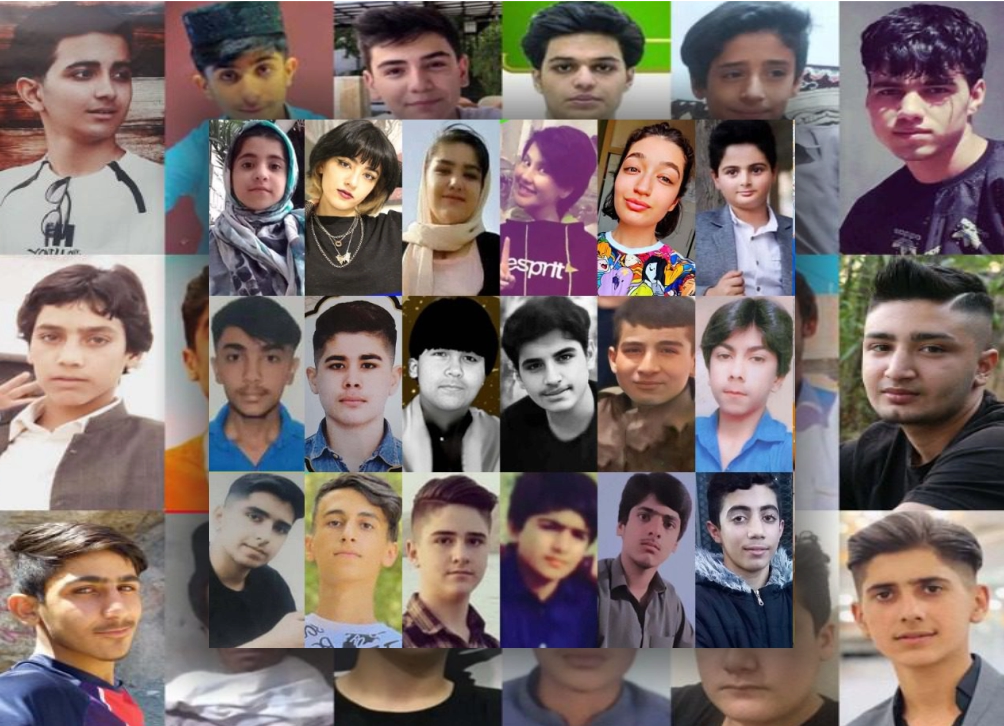
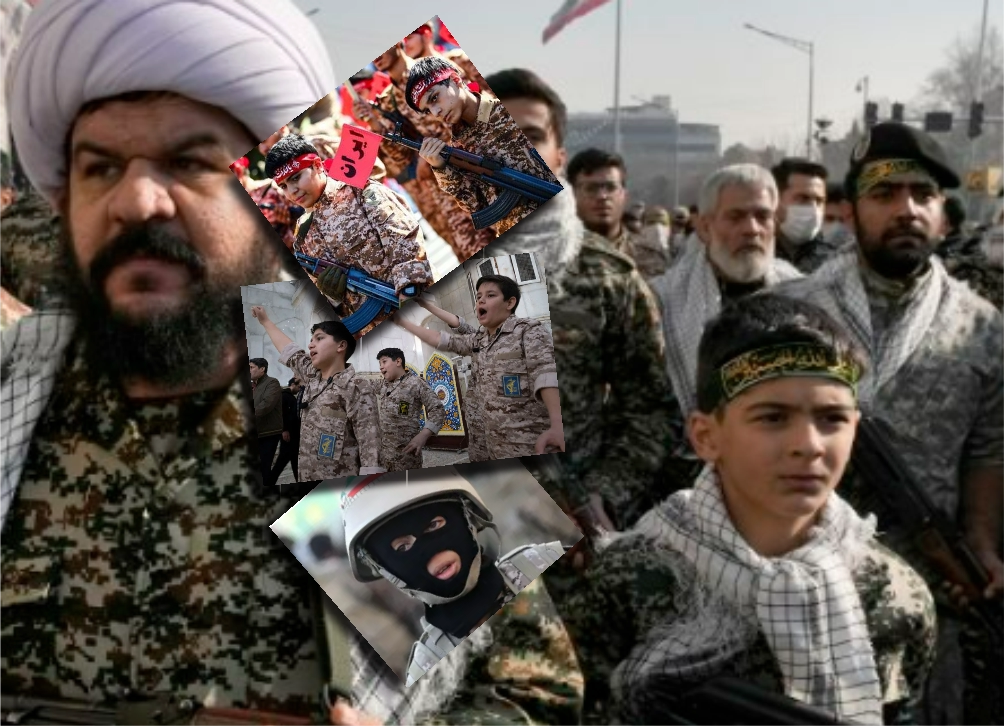
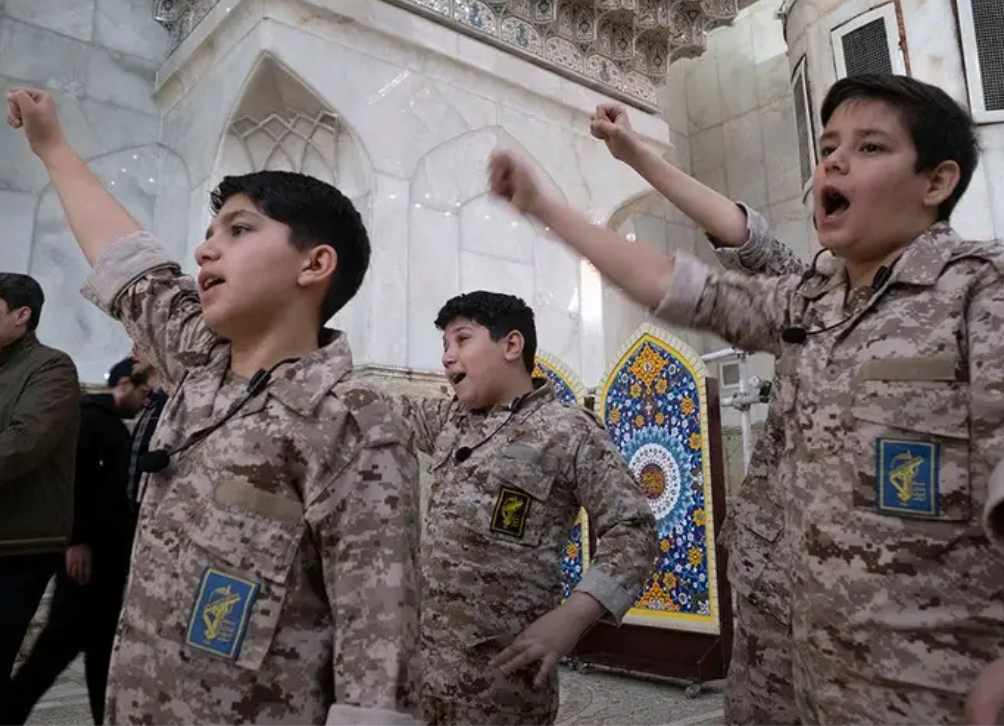
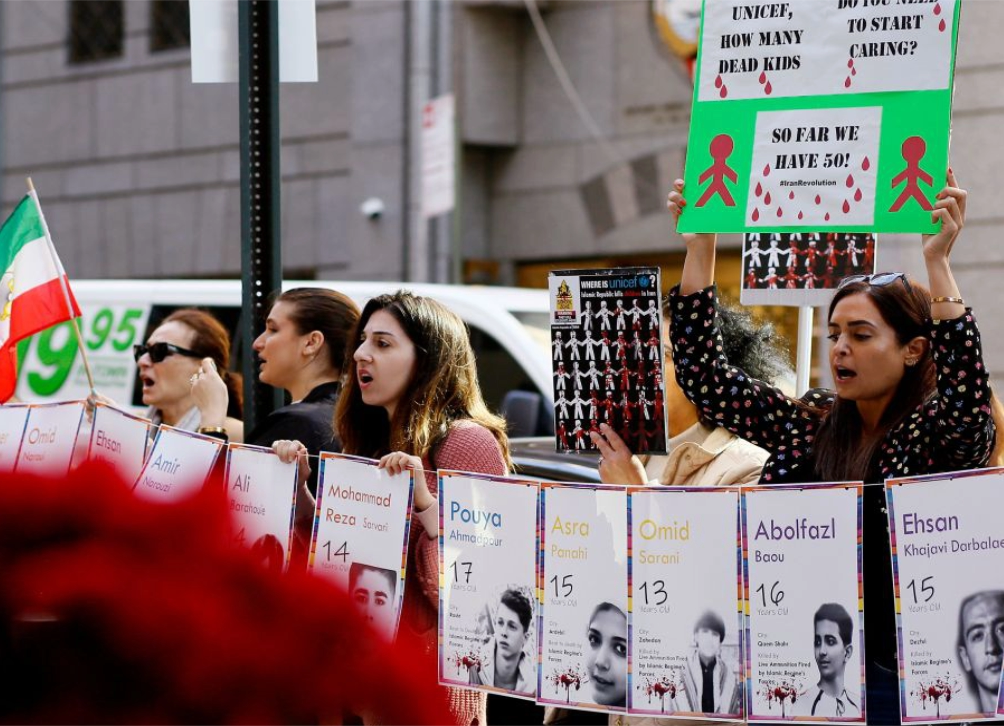
Security forces were documented abusing children during the 2022 protest crackdown. Years later, Human Rights Watch reported an IRGC recruitment initiative with a minimum age of 12. Human Rights Watch
The same state can therefore reach a child in two opposite ways: as an institution of punishment and as an institution of recruitment.
Syria offers another lesson.
The government that once fought to control territory now inherits territory polluted by the remains of war. Millions of children live around landmines and unexploded ordnance. UNICEF
Political transition does not remove that obligation. Whoever governs Syria must now make the country physically safe for the children who survived it.
Yemen demonstrates the danger of divided authority. The UN has documented child recruitment and other grave violations by multiple parties, including government-affiliated forces and the Houthis. Children and Armed Conflict
When several actors claim legitimacy, children can end up with several institutions capable of harming them and no institution strong enough to protect them.
This is why children’s rights should never be treated as a charitable subject.
They are an index of government.
Look at the child and you can often see the political system around him.
Can she attend school?
Can he speak without fear?
Can she walk to class without stepping on unexploded ordnance?
Can he grow up without being recruited?
Can an undocumented child see a doctor?
Can a detained teenager call his family?
These are not soft questions.
They are questions about power.
Governments often prefer to be judged by military capability, economic growth or diplomatic influence.
Children provide a different measurement.
They reveal whether state power is disciplined.
Whether ideology has limits.
Whether security institutions recognize law.
Whether political leaders understand that the most vulnerable people in society are not resources to be managed, but individuals to be protected.
That test is difficult precisely because children have so little political power of their own.
They cannot negotiate with ministries.
They cannot command armies.
Many cannot vote.
Their protection therefore depends on adults who hold authority choosing restraint.
When they do not, childhood becomes another casualty of politics.