A nation’s foreign policy serves as a mirror reflecting its domestic governance, institutional design, and strategic priorities. For nearly half a century, the Islamic Republic of Iran has remained one of the most volatile and isolated political entities on the global stage. Perpetual diplomatic friction, crippling economic sanctions, and chronic crises of domestic and international legitimacy define its interactions with the outside world. This comprehensive analysis demonstrates that Iran's international failure is not accidental but structural. The ruling establishment operates as a systematic violator of human rights, a primary state sponsor of terrorism, and a criminal enterprise rooted in a rigid, fundamentalist religious ideology combined with a radical left-populist anti-imperialist rhetoric. This synthesis of religious dogmatism and confrontational populism has fundamentally paralyzed the state's capacity to pursue a rational, interest-based diplomacy, resulting in absolute strategic isolation.
The Post-1977 Structural Rupture: A Revolutionary Movement vs. The International Order
The 1979 transition disrupted Iran’s traditional, balance-of-power diplomacy. The incoming clerical leadership explicitly rejected the classical definition of a nation-state bound by international law, choosing instead to define the country as an ongoing global revolutionary movement. According to extensive research published by the Council on Foreign Relations (CFR), this deliberate shift from a conventional state to a revisionist power laid the foundation for Iran's diplomatic estrangement. By embedding the "export of the revolution" into its constitutional framework, the regime signaled permanent hostility toward both its immediate neighbors and global powers. The state's foundational doctrine treats the established international architecture—including the United Nations Charter, international courts, and multilateral conventions—as fraudulent mechanisms designed by Western powers. This deeply ingrained suspicion eliminated any possibility of building institutional trust, permanently alienating historic partners and forcing the regime into precarious, transactional relationships with non-state actors.
Ideological Blindness: The Cost of Radical Left-Populism and Religious Dogma
The ideological framework governing the regime’s foreign decision-making is characterized by a fundamentalist interpretation of political Islam fused with anti-Western, third-worldist rhetoric. This worldview categorizes global politics into a zero-sum struggle between the "oppressors" (mostakberin) and the "oppressed" (mostazafein), viewing any compromise with Western democracies as an existential betrayal. Analysis from the Carnegie Endowment for International Peace highlights that confrontational slogans like "Death to America" and "Death to Israel" are not mere rhetorical performance; they are core identity markers necessary for the regime's internal cohesion. The state requires a permanent external adversary to justify its domestic political repression, severe economic failures, and totalitarian controls. Consequently, the Ministry of Foreign Affairs does not function as a strategic policymaking body but rather as a public relations bureau tasked with sanitizing decisions made within ideological core centers. When dogmatic compliance takes precedence over economic pragmatism, a nation's sovereign resources are routinely sacrificed to sustain revolutionary identity.
The Anatomy of Diplomatic Impasse: Broken Ties with the West and Regional Powers
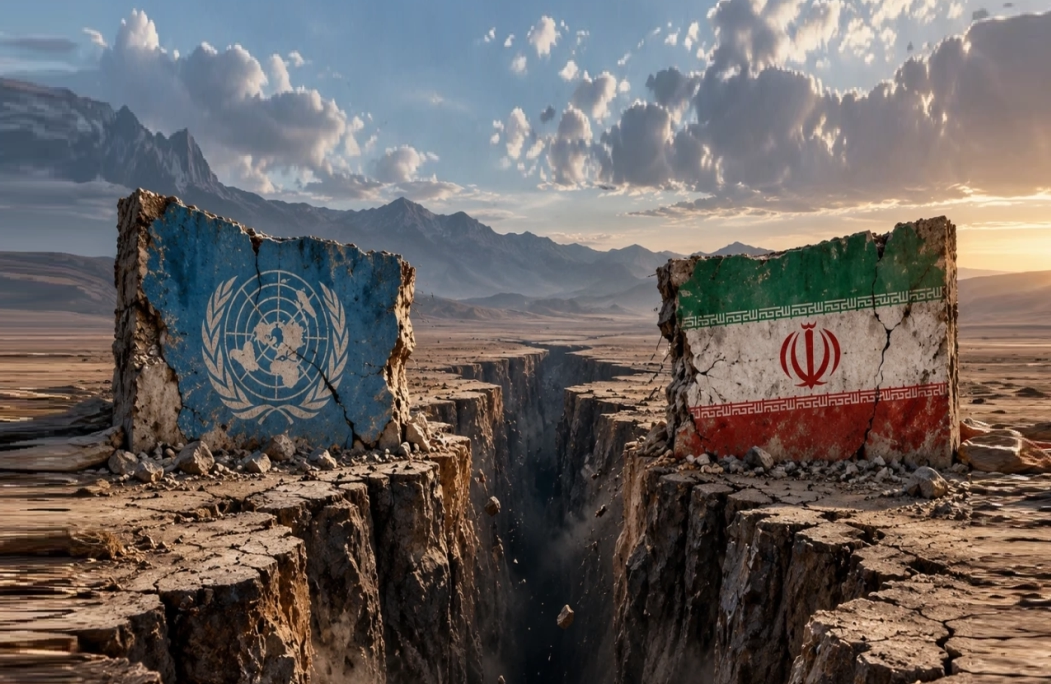
Iran's relationship with Western democracies and the Arab states of the Persian Gulf has been defined by a continuous cycle of manufactured crises. The 1979 storming of the United States Embassy in Tehran established an unprecedented breach of diplomatic immunity that permanently altered Washington-Tehran relations. Documentation from the U.S. Department of State outlines how decades of hostile state behavior—ranging from state-directed cyber warfare to targeted maritime harassment in the Strait of Hormuz—have continuously blocked the normalization of bilateral ties. Similarly, European capitals have repeatedly discovered that engagement policies are unsustainable due to the regime's conduct on European soil. This conduct includes state-sanctioned assassinations of dissidents, the abduction of activists, and "hostage diplomacy"—the deliberate detention of foreign and dual nationals under fabricated espionage charges to use as political leverage. In the Middle East, the regime's aggressive bid for regional hegemony via subversion and sectarian polarization has deeply alarmed its neighbors, directly accelerating historic geopolitical realignments like the Abraham Accords.
The Shadow State: How the IRGC Subverted Conventional Diplomacy
A primary cause of Iran's diplomatic paralysis is the absolute subjugation of formal state diplomacy to the military-intelligence apparatus, specifically the Islamic Revolutionary Guard Corps (IRGC) and its extra-territorial branch, the Quds Force. The Ministry of Foreign Affairs has been systematically hollowed out, leaving official diplomats with no authority over regional strategy. As documented by the International Institute for Strategic Studies (IISS), major strategic directives are formulated entirely within the Supreme National Security Council under the direct oversight of the Supreme Leader, bypassing standard diplomatic channels. The systemic appointment of high-ranking IRGC commanders to critical ambassadorial posts across Iraq, Syria, Lebanon, and Yemen demonstrates this institutional capture. When the primary tools of a state's regional engagement consist exclusively of ballistic missiles, loitering munitions, and non-state militias, its diplomatic corps loses the capacity to negotiate enduring, lawful, and stable international treaties.
State Sponsorship of Terrorism and Its Structural Penalties
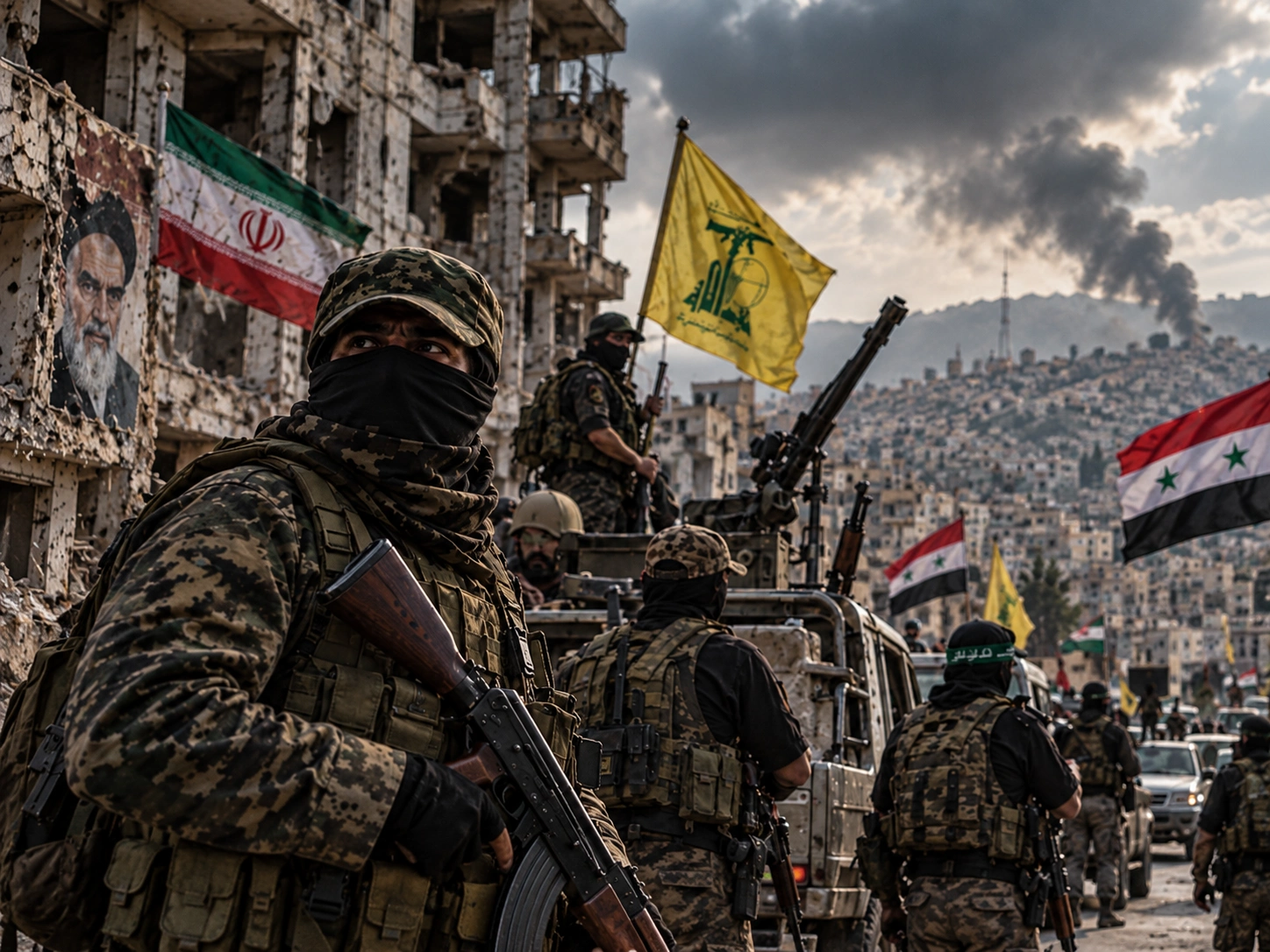
The Islamic Republic remains systematically designated by major international coalitions as a leading state sponsor of global terrorism. Its strategic doctrine relies heavily on asymmetric warfare, financed by diverting state revenues away from national infrastructure to sustain the "Axis of Resistance." This network encompasses armed groups including Hezbollah in Lebanon, Hamas and Palestinian Islamic Jihad, the Houthi movement (Ansar Allah) in Yemen, and various radical Shia militias across Iraq and Syria. According to the Congressional Research Service (CRS), the regime directs hundreds of millions of dollars annually to these groups, generating catastrophic consequences for Iran's sovereign standing. The formal designation of the IRGC as a Foreign Terrorist Organization (FTO) and Iran’s persistent blacklisting by the Financial Action Task Force (FATF) have completely severed the country from the international banking system. This persistent sponsorship of terrorism has fundamentally transformed Iran’s global reputation from an ancient, sophisticated civilization into a volatile pariah state.
The Illusion of the "Look to the East" Strategy: Exploitation by Russia and China
Faced with near-total exclusion from Western markets, the regime adopted a defensive "Look to the East" policy, attempting to frame its partnerships with Beijing and Moscow as a powerful counter-weight to Western pressure. However, strategic analyses from Chatham House demonstrate that this relationship is deeply asymmetrical, transactional, and exploitative. China treats Iran primarily as a heavily discounted, sanction-vulnerable gas station and a tactical bargaining chip in its broader geopolitical competition with the United States, carefully avoiding any large-scale capital investments that could trigger secondary sanctions. Concurrently, Moscow has leveraged Iranian military hardware, including low-cost attack drones, for its campaign in Ukraine, while consistently refusing to protect Tehran's long-term interests in multilateral forums like the United Nations Security Council. The regime's decision to align itself with Russia's military campaigns has drastically exacerbated its international isolation, triggering wave after wave of severe, comprehensive European and transatlantic sanctions.
The Nuclear Enterprise and Ballistic Expansion: A Crisis of Verification
The pursuit of an opaque nuclear program coupled with the aggressive development of a long-range ballistic missile delivery architecture forms the core of Iran's contemporary security dilemma. Since the public exposure of clandestine nuclear facilities in 2002, the regime has maintained a persistent conflict with the international community. Periodic compliance reviews by the International Atomic Energy Agency (IAEA) reveal a long history of systemic non-cooperation, including the deliberate scrubbing of suspected military sites, tampering with monitoring equipment, and the enrichment of uranium to levels near weapons-grade utility. The 2015 Joint Comprehensive Plan of Action (JCPOA), which offered a viable path toward global economic reintegration, was systematically undermined by the regime's continued testing of nuclear-capable ballistic missiles and its regional destabilization campaigns. The leadership's refusal to accept rigorous, permanent verification protocols has effectively neutralized diplomatic options, leaving international actors with few alternatives beyond total economic containment.
Human Rights Violations and Domestic Terror as Diplomatic Liabilities
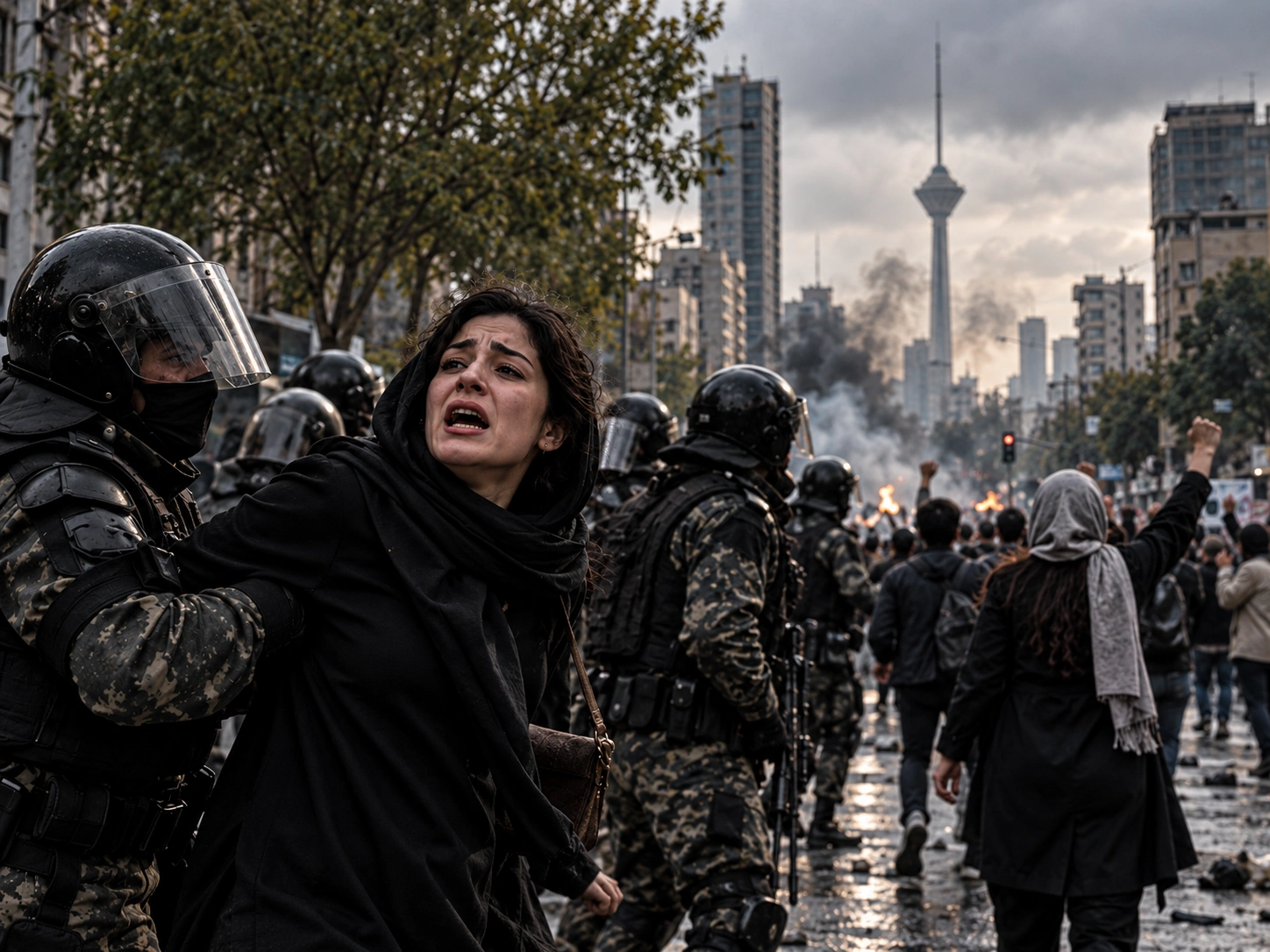
The external legitimacy of any modern government is tied to its domestic behavior. The Islamic Republic's domestic record is defined by systemic, state-sanctioned violence against its own population. The brutal suppression of popular uprisings, the widespread use of arbitrary executions, systemic torture, and institutionalized discrimination against women and minorities have been heavily documented and condemned by the Office of the United Nations High Commissioner for Human Rights (OHCHR). Furthermore, the regime's cross-border intelligence operations, including the targeted assassination of exiled journalists and political dissidents on European soil, have effectively turned its foreign embassies into extensions of its security apparatus. This systemic reliance on state terror and domestic repression strips the regime of international moral legitimacy, rendering it impossible for democratic governments to maintain normal or sustainable bilateral relationships with Tehran.
The Mismanagement of Sovereign Wealth: Geopolitical Potential vs. Ideological Ruin
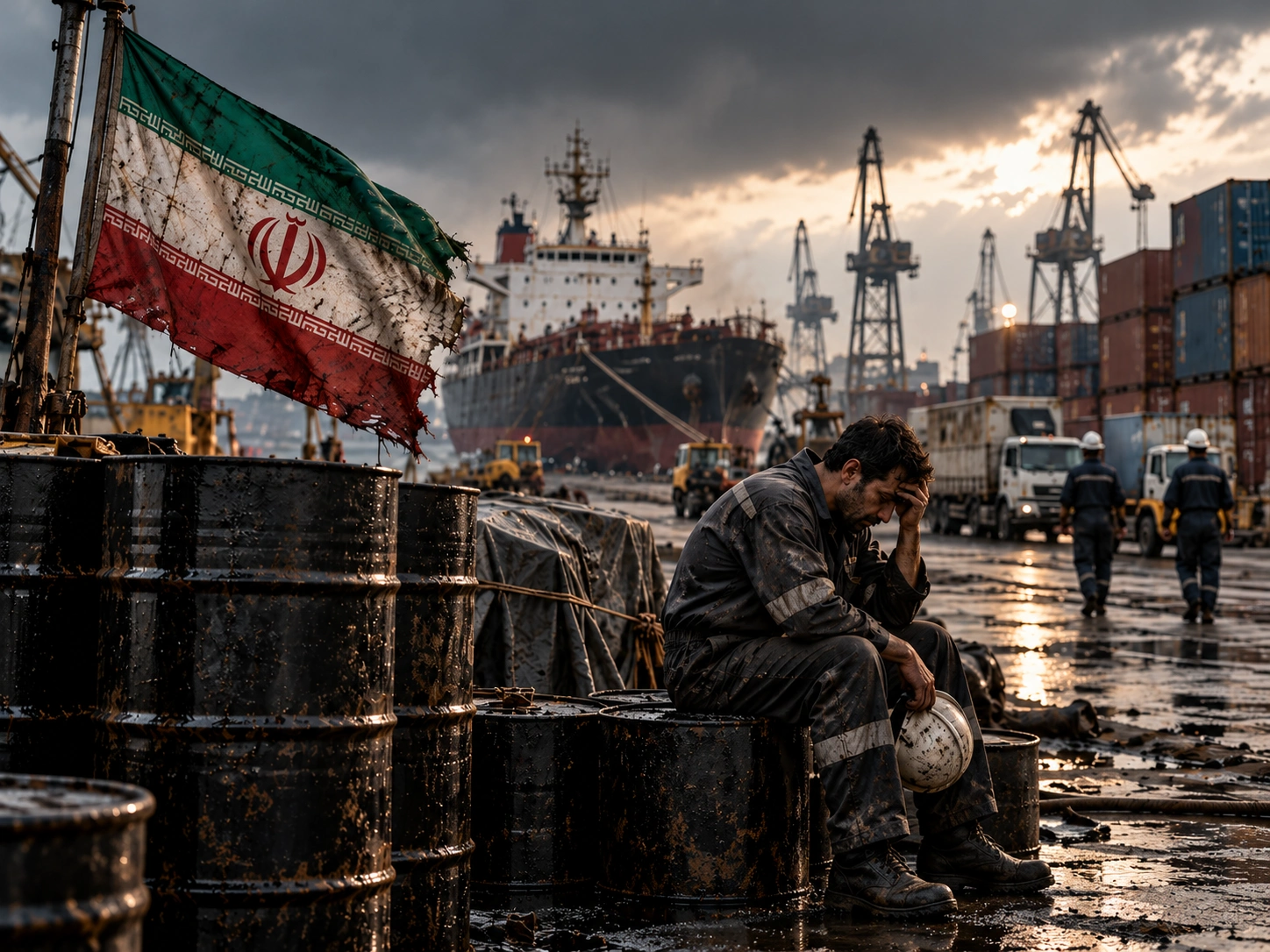
Iran possesses all the foundational elements necessary to be a leading global economic power, including the world's second-largest natural gas reserves, fourth-largest proven oil reserves, and a highly educated population positioned at a critical geopolitical crossroads between Europe, Asia, and the Middle East. However, the ruling elite's ideological fixation on regional expansionism and systemic corruption has transformed these vast assets into liabilities. Data from the World Bank confirms that absolute diplomatic isolation, zero access to foreign direct investment, and a complete ban on modern industrial technologies have placed Iran's domestic economy in a state of terminal decline. While neighboring states utilize global trade and technology integration to build advanced, diversified economies, Iran’s wealth is routinely squandered on non-state militias and domestic security enforcement. This profound divergence between Iran's immense natural potential and its current economic degradation stands as clear evidence of the destructive nature of the regime's grand strategy.
The Blueprint for a Rational Foreign Policy: Reclaiming the Nation-State
The structural barrier to any successful Iranian foreign policy is the absolute centralization of power within the office of the Supreme Leader, a non-democratic institution insulated from public accountability and driven by ideological survival. Achieving a functional, prosperous international standing requires a fundamental transition away from a revolutionary entity toward a rational nation- state. A replacement foreign policy must be anchored on the following core principles:
- The Priority of National Interest Over Ideology: Abolishing anti-Western, populist doctrines and reorienting foreign engagements around measurable economic growth, resource conservation, and the material welfare of the Iranian people.
- Total Integration into the International Legal Order: Resuming full compliance with global financial transparency frameworks (FATF), adhering strictly to the Nuclear Non-Proliferation Treaty (NPT), and providing unrestricted, transparent access to international monitoring agencies.
- The Cessation of State-Sponsored Asymmetric Warfare: Completely dismantling foreign proxy networks, cutting off state funding to non-state militant factions, and adopting a conventional defensive military doctrine based on regional stabilization and mutual non-interference.
- Institutional Alignment with Universal Human Rights: Establishing absolute domestic accountability, protecting civil liberties, ending the practice of arbitrary detentions, and aligning state behavior with international human rights treaties.
- A Balanced, Multipolar Diplomatic Strategy: Ending the asymmetric and subordinate dependency on Eastern powers by re-establishing normalized, constructive, and comprehensive diplomatic and commercial relations with the United States, Europe, and regional neighbors.
Conclusion
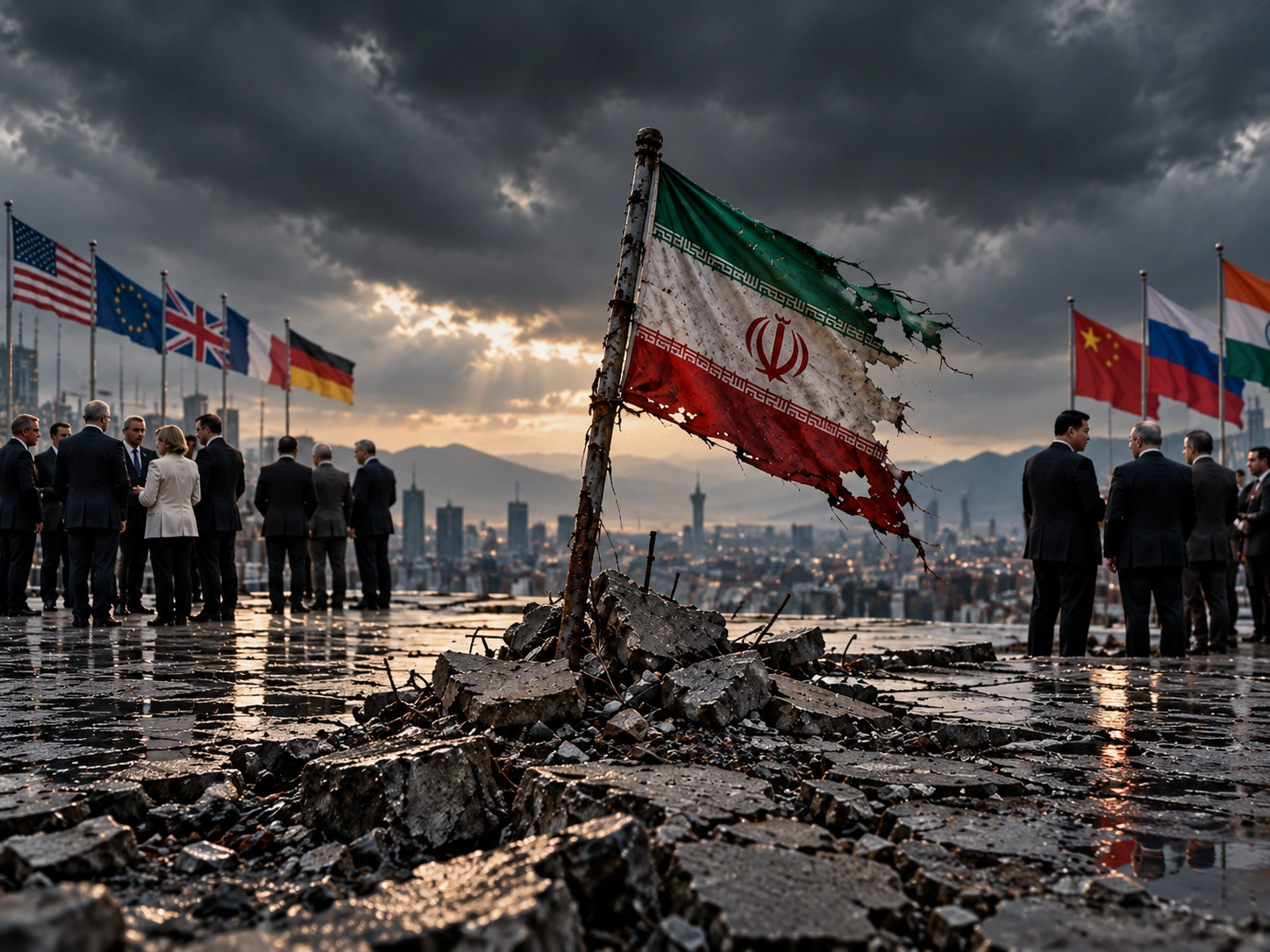
A rigorous examination of Iran's modern diplomatic history reveals that its international failures are the direct, unavoidable consequence of its governance model. The Islamic Republic functions as an ideological, criminal, and highly repressive regime that subordinates national survival to fundamentalist objectives. By prioritizing ideological expansion over the fundamental welfare of its citizens, the state has locked itself into a cycle of permanent economic decline and deep international isolation. Its persistent reliance on asymmetric terror, regional subversion, and domestic repression has eroded its international legitimacy and dismantled its economic potential. Within the current structural framework, true diplomatic normalization is impossible. The restoration of Iran to its rightful place among peaceful nations depends entirely on a transition to a democratic, transparent sovereign state dedicated to the rule of law, national interest, and universal human rights.
Sources and References
Human Rights | anti-imperialist rhetoric | fundamentalist religious ideology | state sponsor of terrorism | international failure | international legitimacy | economic sanctions | Islamic Republic of Iran | international law | nation-state | The 1979 transition | non-state actors | multilateral conventions | international courts | constitutional framework | export of the revolution | third-worldist rhetoric | political Islam | Western democracies | Ministry of Foreign Affairs | Death to Israel | Death to America | diplomatic immunity | 1979 storming of the United States Embassy in Tehran | Persian Gulf | Abraham Accords | hostage diplomacy | Strait of Hormuz | cyber warfare | Quds Force | Islamic Revolutionary Guard Corps (IRGC) | loitering munitions | ballistic missiles | Yemen | Lebanon | Syria | Iraq | Supreme Leader | Supreme National Security Council | Shia militias | Houthi movement (Ansar Allah) | Palestinian Islamic Jihad | Hamas | Hezbollah | Axis of Resistance | asymmetric warfare | Islamic Republic | international banking system | Financial Action Task Force (FATF) | Foreign Terrorist Organization (FTO) | Moscow | Beijing | Look to the East | United Nations Security Council | Ukraine | attack drones | nuclear program | verification protocols | Joint Comprehensive Plan of Action (JCPOA) | uranium | political dissidents | exiled journalists | natural gas reserves | foreign direct investment | Nuclear Non-Proliferation Treaty (NPT) | international human rights treaties | civil liberties | rule of law | Council on Foreign Relations (CFR) | Carnegie Endowment for International Peace | U.S. Department of State | International Institute for Strategic Studies (IISS) | Congressional Research Service (CRS) | Chatham House | International Atomic Energy Agency (IAEA) | Office of the United Nations High Commissioner for Human Rights (OHCHR) | World Bank